 Written by
Fanatec CSL DD 5Nm vs 8Nm is the decision every simracer faces before buying into direct drive simracing in 2026, since Fanatec sells this wheel base in two torque versions — 5Nm and 8Nm, ratings measured in Newton meters (Nm). Both versions share the exact same wheel base, the same electric motor, and the same Fanatec ecosystem — the only hardware difference sits in the power supply, and for the 8Nm variant, an additional Boost Kit 180 that unlocks the extra torque. Knowing what that actually changes on track is the difference between spending your budget wisely and paying for headroom you’ll never use. This guide breaks down the real differences so you can make the right call, whether you’re weighing your first purchase or already thinking like someone deep into a buying guide mindset for a rig upgrade.
Fanatec CSL DD in 2026: Still Worth Buying?
Years after its original release, the CSL DD is still sold by Fanatec (built by parent company Endor AG) as the brand’s entry-level Direct Drive wheel base, sitting below the GT DD Pro and the higher-end ClubSport DD lineup. It hasn’t been discontinued, and no replacement has been announced, so it remains a relevant purchase for anyone building or upgrading a rig this year. The core appeal hasn’t changed: a genuine direct drive motor, Fanatec’s Quick Release system, and a modular torque path that lets you start cheap and scale up later without buying a new base. For simracers weighing their first direct drive wheel base purchase, that modularity alone makes the CSL DD worth serious consideration even against newer competitors.
What has changed over the years is the competition around it — more direct drive bases at similar price points exist now than when the CSL DD launched. But within Fanatec’s own catalog, the 5Nm vs 8Nm decision is still the first and most important one buyers face. Few rivals match Fanatec’s combination of brand support, spare-parts availability, and a genuine upgrade path within the same physical unit, which is part of why the CSL DD keeps showing up in “best direct drive” conversations year after year.
What Is the Fanatec CSL DD Wheel Base
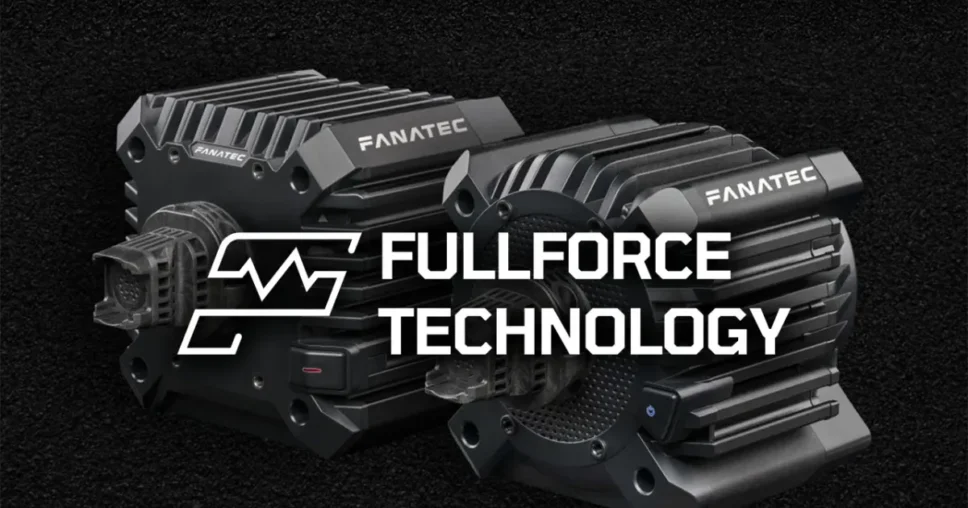
The CSL DD is a compact, square-shaped direct drive base with cooling fins and the Fanatec logo stamped across the front. The housing is metal, which does two jobs: it keeps the unit rigid under load and helps dissipate the heat the motor generates during sustained use. Mounting is flexible — you can bolt it front-on, side-on, or clamp it from underneath, depending on your rig or desk setup.
On the compatibility side, the CSL DD works on PC via Windows 10 and 11, and on Xbox provided you’re using a wheel with Xbox licensing attached. That’s a different setup from Fanatec’s GT DD Pro, a separate base co-developed with Sony that’s natively compatible with PlayStation, PC, and Xbox (again, with the right wheel). If console compatibility across brands matters to your setup, that distinction is worth settling before you even get to the torque question.
Fanatec CSL DD 5Nm vs 8Nm: Key Differences at a Glance
Strip away the marketing and the difference between the two CSL DD versions comes down to one thing: how much torque the power supply allows the motor to output. The motor itself is identical in both versions. Force Feedback (FFB) detail, resolution, and behavior are the same up to 5Nm — the 8Nm version doesn’t feel “better” at low torque, it simply has more headroom above that point.
| Spec | CSL DD 5Nm | CSL DD 8Nm |
|---|---|---|
| Max torque | 5Nm | 8Nm (with Boost Kit 180) |
| Motor | Same as 8Nm version | Same as 5Nm version |
| Boost Kit required | No | Yes, included or purchased separately |
| Best for | GT, touring cars, casual/mixed use | Open wheel, rally, heavy FFB fans |
| Upgrade path | Can add Boost Kit later | Already at max torque |
Torque and Force Feedback Strength Compared
Because the motor is shared, the 5Nm version isn’t a “weaker” motor — it’s the same motor with a power supply that caps output lower. Below 5Nm of resistance, both bases feel identical in terms of detail, texture, and how quickly the wheel reacts to what’s happening on track. The difference only shows up when a game or car tries to push past that ceiling: curb strikes, sudden weight transfer, or heavy cornering loads in cars that generate a lot of steering resistance. That’s where the 8Nm version keeps delivering resistance while the 5Nm version simply clips at its limit.
For a lot of racing — GT3, touring cars, road cars — 5Nm of torque is genuinely enough to feel confident and connected to the car. It’s when you move into categories that generate heavier steering loads that the extra headroom starts to matter, and that’s where the buying decision really splits between casual and competitive setups.
Price and Overall Value
The price gap between the two versions comes down almost entirely to the Boost Kit 180, the add-on that unlocks the extra 3Nm on top of the base unit. Buying the 8Nm version outright means paying for that kit up front; buying the 5Nm version means you can add it later if you decide you need more power, rather than committing to it on day one. That flexibility is the single biggest value proposition of the whole CSL DD platform — you’re not locked into your initial choice.
Which Games Benefit Most From 8Nm Torque
Not every title in your library will make the extra torque noticeable. Sims that model heavy steering loads — open-wheel cars, rally stages with big surface changes, or GT cars in high-load corners — are where 8Nm starts to earn its keep. iRacing and Assetto Corsa Competizione are both common reference points for simracers pushing FFB strength, since both titles can generate enough resistance in certain cars and setups to hit the 5Nm ceiling under hard cornering or curb contact. Anyone building out a broader hardware guide for their rig should factor in which sims they play most before deciding.
If your simracing time is split across disciplines — some GT3, some open wheel, some rally — the extra torque gives you consistent headroom across all of them rather than clipping in the categories that demand more. If you’re almost exclusively racing road cars and GT machinery at moderate FFB settings, you may never actually feel the ceiling of the 5Nm version in the first place.
Boost Kit 180: The Upgrade Path Explained
The Boost Kit 180 is what separates the 5Nm and 8Nm experience. It’s not a new wheel base or a new motor — it’s an upgraded power supply that allows the existing CSL DD motor to output more torque than the stock 5Nm unit permits. This is the mechanism that makes the CSL DD platform genuinely modular: buy the cheaper base now, and if you later find yourself wanting more strength, add the kit rather than replacing the whole unit.
This upgrade path is one of the more sensible aspects of Fanatec’s lineup design. It removes the pressure to guess correctly on day one, since the base you buy today can grow with your needs, your budget, or your evolving taste in sim disciplines.
Here’s a quick recap of the summary points worth remembering before you make a call:
- The motor is identical in both the 5Nm and 8Nm CSL DD versions — only the power supply differs
- The Boost Kit 180 is the sole route from 5Nm to 8Nm, and it can be added at any point
- Force feedback feel is identical below 5Nm regardless of which version you buy
- The extra torque matters most in open wheel, rally, and heavy-load GT scenarios
Who Should Buy the 5Nm Version
- You’re new to direct drive and want to feel the difference from a belt or gear-driven wheel first
- Your racing is mostly GT3, touring cars, or road-going machinery
- You run moderate FFB strength settings rather than maxing out resistance
- You want to keep the door open to upgrade later without overspending now
- Budget is the primary factor in your purchase decision
Who Should Buy the 8Nm Version
- You race open-wheel cars, rally, or anything with heavy steering loads
- You’ve already used a direct drive wheel and know you like strong FFB
- You want maximum headroom without adding a kit down the line
- You split your time across multiple disciplines and want consistent strength everywhere
- You’d rather buy once and be done than manage an upgrade later
Frequently Asked Questions
Is the CSL DD 8Nm worth it over the 5Nm?
It depends entirely on what you race. If you spend most of your time in GT3 or road cars at reasonable FFB strength, 5Nm covers you comfortably. If you race open wheel, rally, or push FFB strength high, the extra torque of the 8Nm version is more noticeable and more useful.
Can I upgrade a 5Nm CSL DD to 8Nm later?
Yes. Because both versions share the same motor and wheel base, adding the Boost Kit 180 later is the intended upgrade path — you’re not locked into your original purchase.
Does the 8Nm version feel different at low torque settings?
No. Since the motor is identical between the two versions, force feedback feel and detail below 5Nm are the same on both. The difference only appears once resistance demands exceed the 5Nm ceiling of the base version.
Is the CSL DD compatible with PlayStation?
The CSL DD’s native console compatibility runs through Xbox, provided you pair it with an Xbox-licensed wheel. For native PlayStation compatibility in Fanatec’s lineup, the GT DD Pro — a separate base co-developed with Sony — is the relevant product.
Does the CSL DD support Fanatec’s Quick Release system?
Yes, both versions use Fanatec’s proprietary QR system, so wheel swaps are quick regardless of which torque version you choose.
What does the Nm rating actually measure?
Nm stands for Newton meter (Nm), the standard unit of torque. On a direct drive wheel base, the Nm rating tells you the maximum rotational force the motor can apply to the wheel rim, which is what you feel through your hands as resistance during braking, cornering, and curb strikes — a higher Nm figure simply means a higher ceiling before the wheel runs out of strength.
Source: simracingnerd.net